

Modern American Maximalism
A Design Philosophy Rooted in Victorian Inspiration
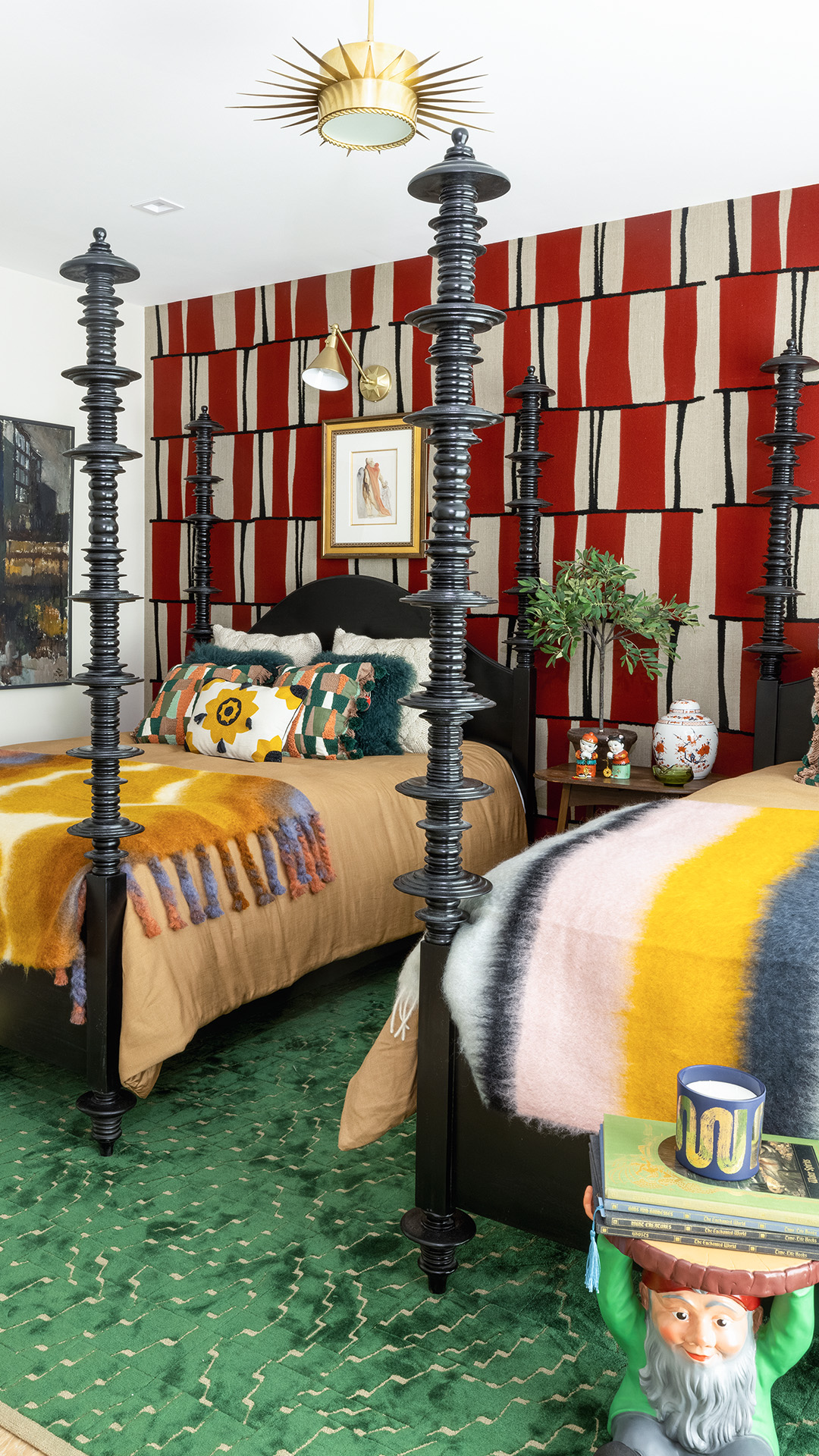
How Victorian Interiors Inspired a Personal, Timeless American Design Approach
In a world of minimalist white walls and sparse interiors, I find that there’s a counter-movement gaining momentum—one that celebrates pattern, color, texture, and the art of what I call “fearless curation”. This is what I like to call Modern American Maximalism, an interior design philosophy that honors the past while embracing contemporary living. It incorporates an element of nostalgia that makes it timeless and approachable.
My Origin Story: From Hollywood to Interior Design
Every design philosophy has a beginning, and mine started in an unexpected place: in front of a television screen in the 1980s. I love a good story; always have!
As a child of the 80s, television wasn't just entertainment—it was education. I studied the homes in every show I watched, mentally mapping floor plans, analyzing how spaces connected, and understanding how interior design told stories alongside the script. Those visually rich interiors, whether sleek and modern with chrome and glass block or more traditional and layered, taught me that interior design is narrative.
The modern residential spaces of the 1980s made sense with their tubular railings and clean lines. And still during that time, traditional designs felt grounded with their layers and collections. Both approaches used design to support storytelling, and I was captivated. It was an interesting conversation taking place in the world of design at the time. In the words of La La Land’s Sebastian, “it's conflict, and it's compromise, and it's just... it's new every time… It's very, very exciting!”
Naturally, years later, when I had a chance to work in entertainment in Hollywood, I didn’t pass up the opportunity. While I wasn't designing sets or writing scripts, I was learning the art of storytelling from both sides of the camera. All the while, I was quietly honing my design sensibility, developing a point of view that would eventually become the foundation of my interior design studio.
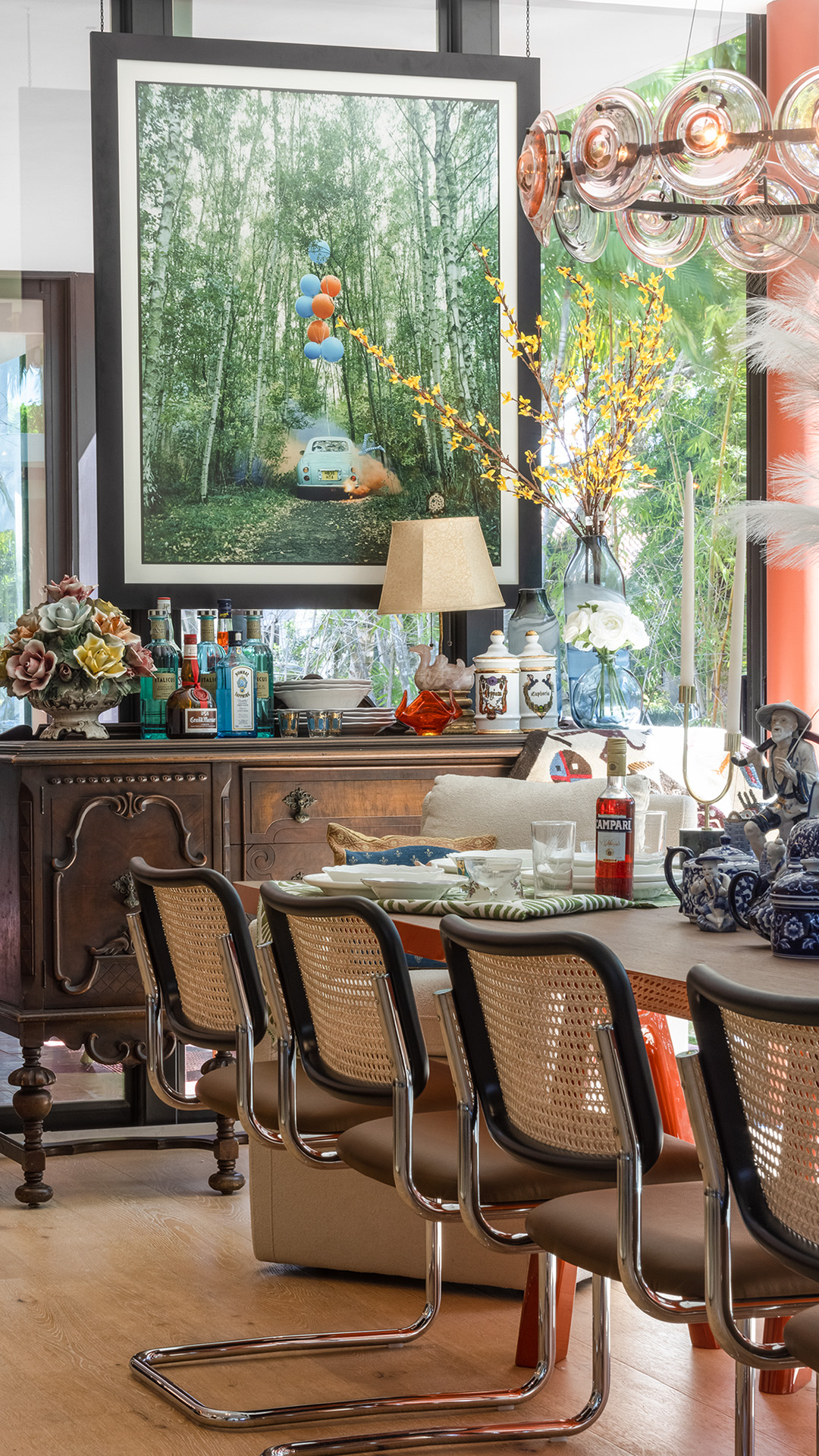
Finding My Design Voice: The Journey to Modern American Maximalism
When I launched my interior design studio, I faced a critical question: Did I have something meaningfully different to contribute to the design conversation, or would I simply iterate on existing trends? What would be my design philosophy as I approached each project?
I examined the contemporary design landscape—near and far—analyzing what resonated both in the marketplace and in my own instincts. I gravitated toward eclectic interiors: layered, mixing vintage with modern, blending old and new with intention and purpose.
My research took me through British, American, and French interior design traditions, both historical and contemporary. One era stood out: the Victorian period, when interiors were unapologetically eclectic, richly layered, ornamentalized, and visually charged.
This led to my initial concept: Modern Victorian design—taking Victorian principles of layering, curation, and visual richness and expressing them through a contemporary lens. As this approach evolved through real-world projects, it transformed into what I now call Modern American Maximalism: a design philosophy that balances past and present, old and new, pattern and texture, all while telling a cohesive story.
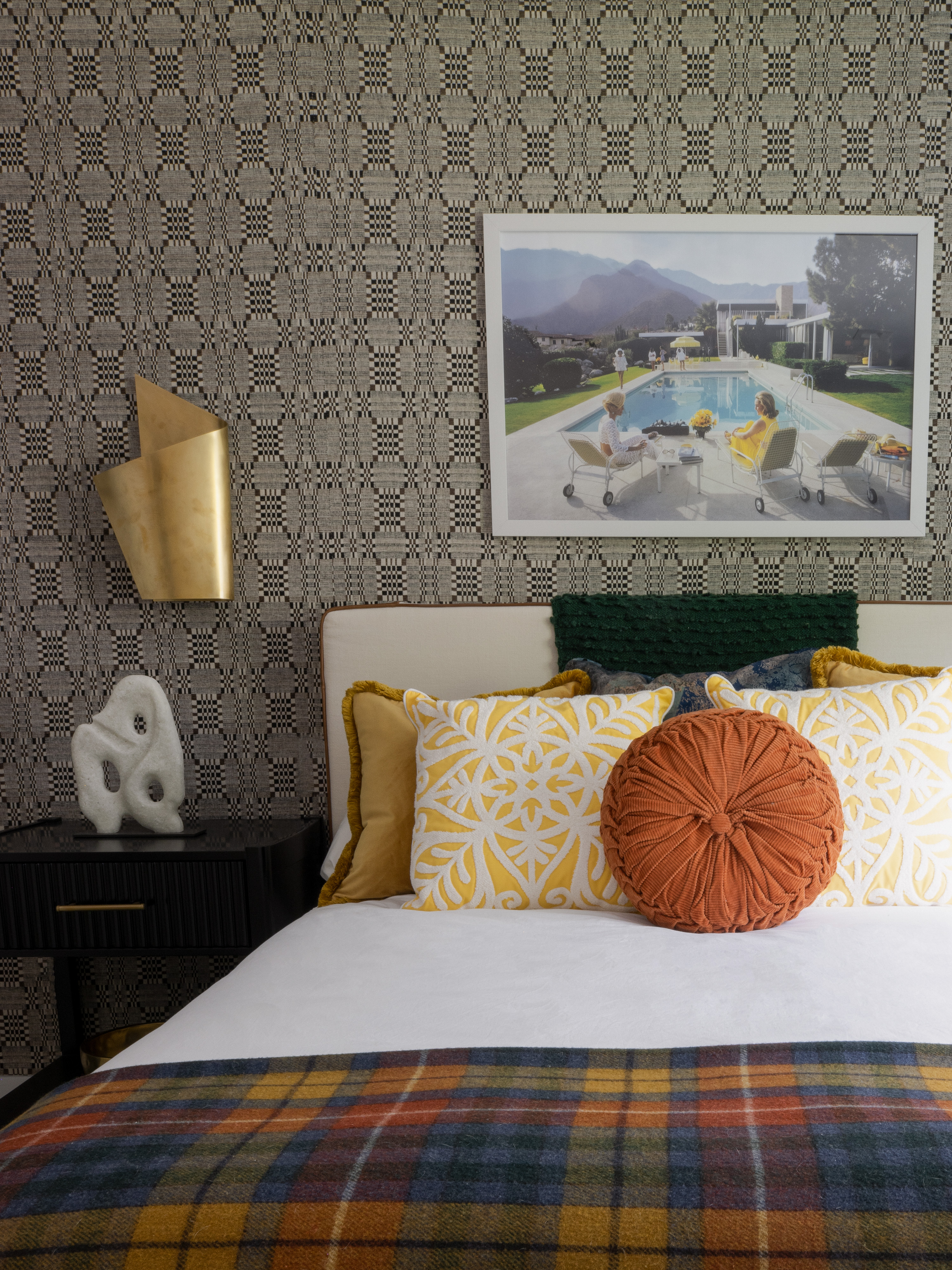
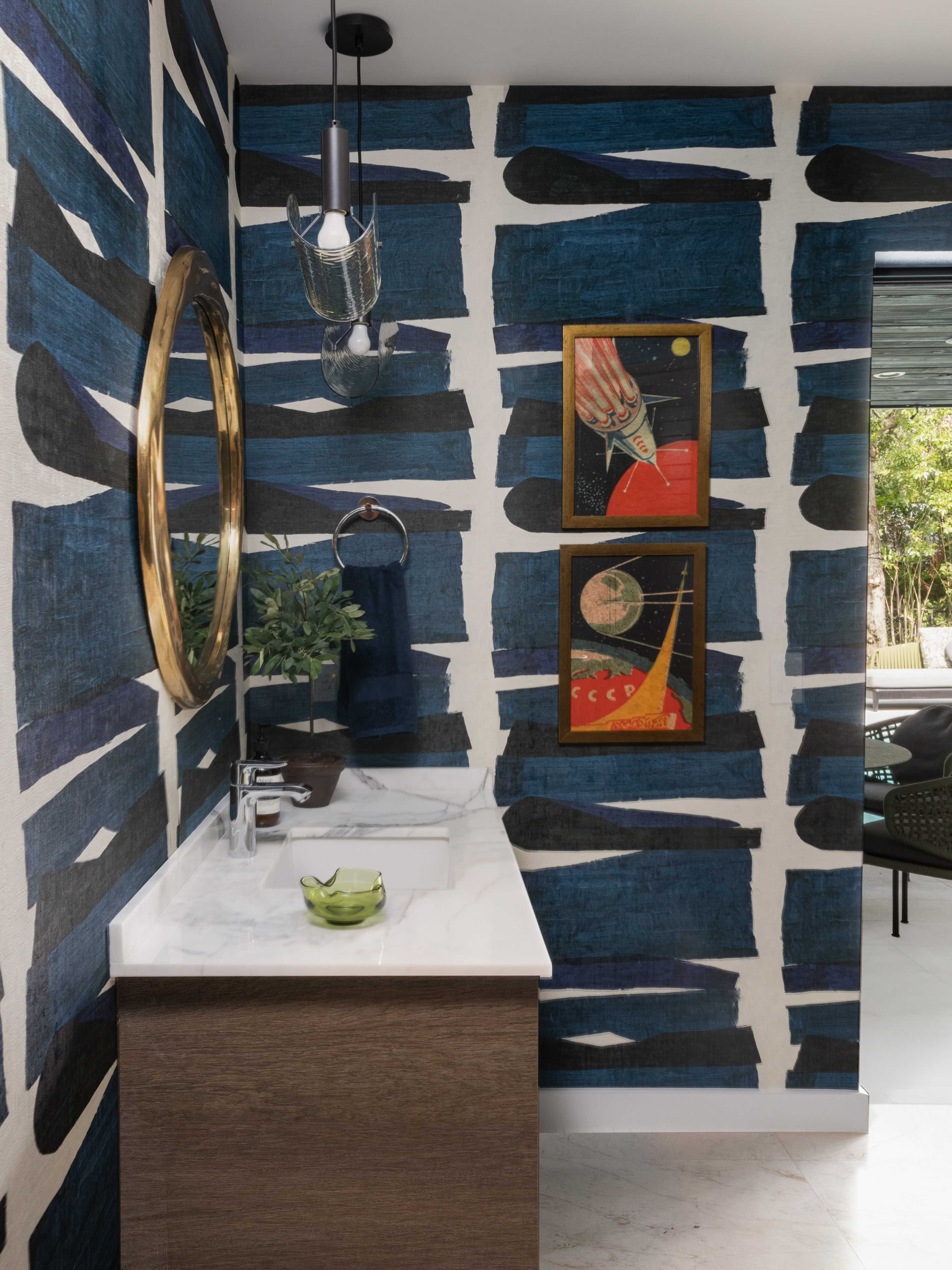
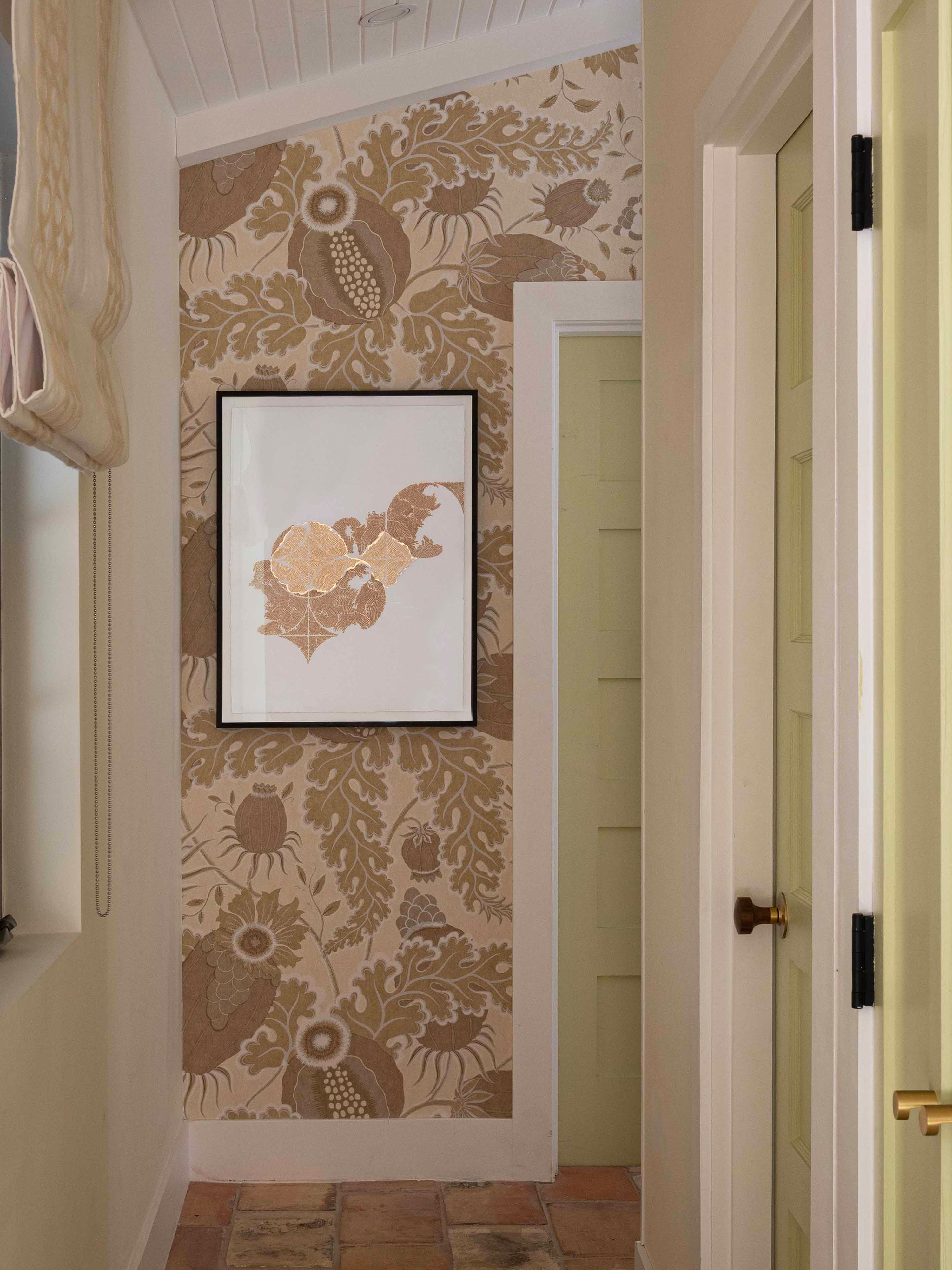
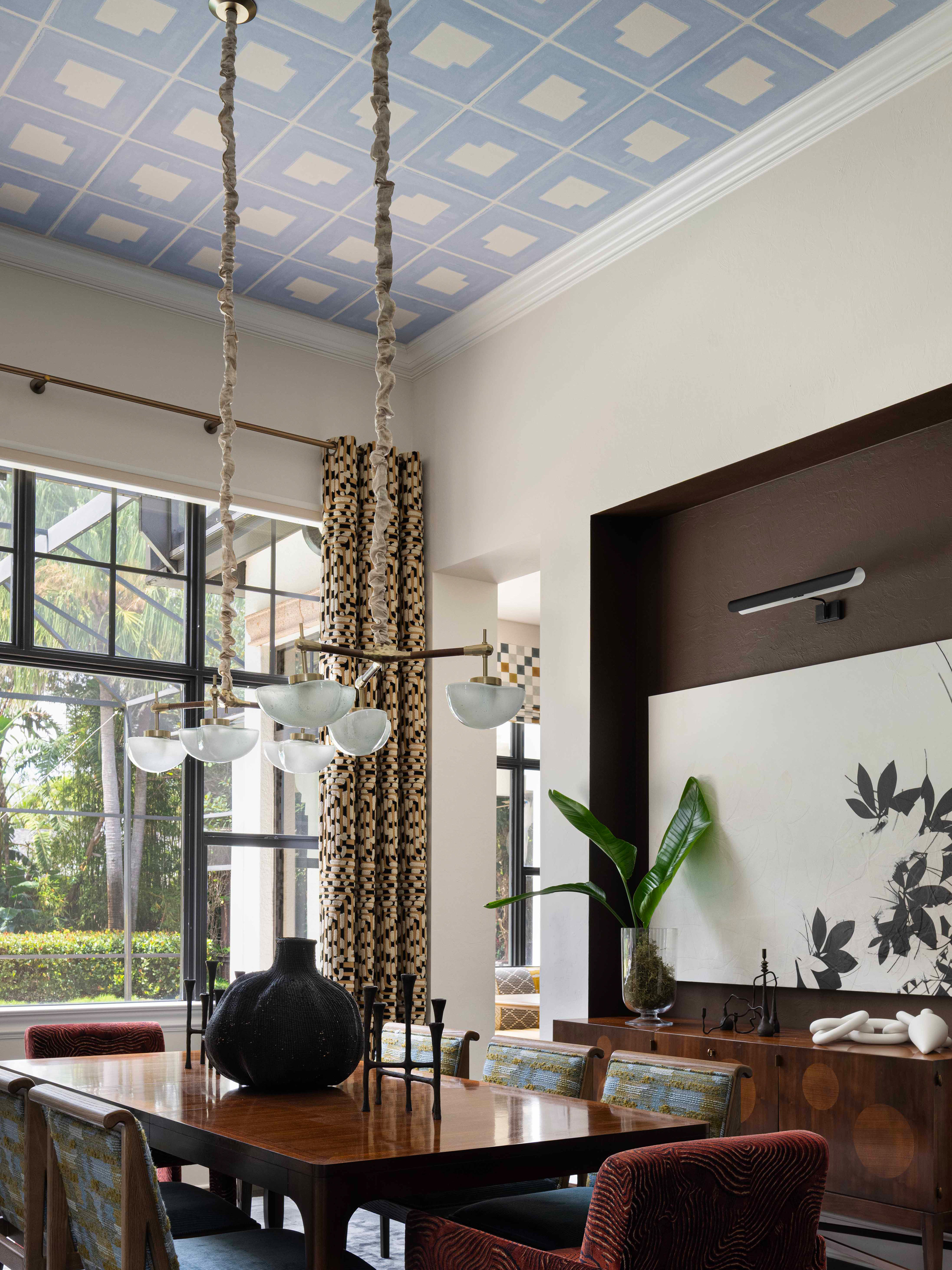
My (3) Pillars of Modern American Maximalism
Modern American Maximalism rests on five foundational principles:
1. Pattern, Color, Texture
Layered use of pattern creates visual interest and depth across spaces. Rather than choosing pattern or solid, we embrace pattern and pattern, mixing scales, styles, and motifs with intention. A conscious commitment to using color boldly rather than defaulting to neutrals. Color creates mood, defines spaces, and expresses personality in ways that beige never can. Visual and physical depth achieved through varied textures on every surface—walls, ceilings, floors, and decorative elements. Texture adds dimension and richness that flat surfaces cannot deliver.
2. Fearless Curation
The confident belief that antique and contemporary pieces can coexist beautifully in the same space, each enhancing the other. Maximalist interior design isn't about excess—it's about intentional curation.
3. Storytelling
Every design needs a narrative thread connecting the spaces. Like a great script with a compelling logline, great interior design should have a byline—a synopsis that captures its essence and intention.
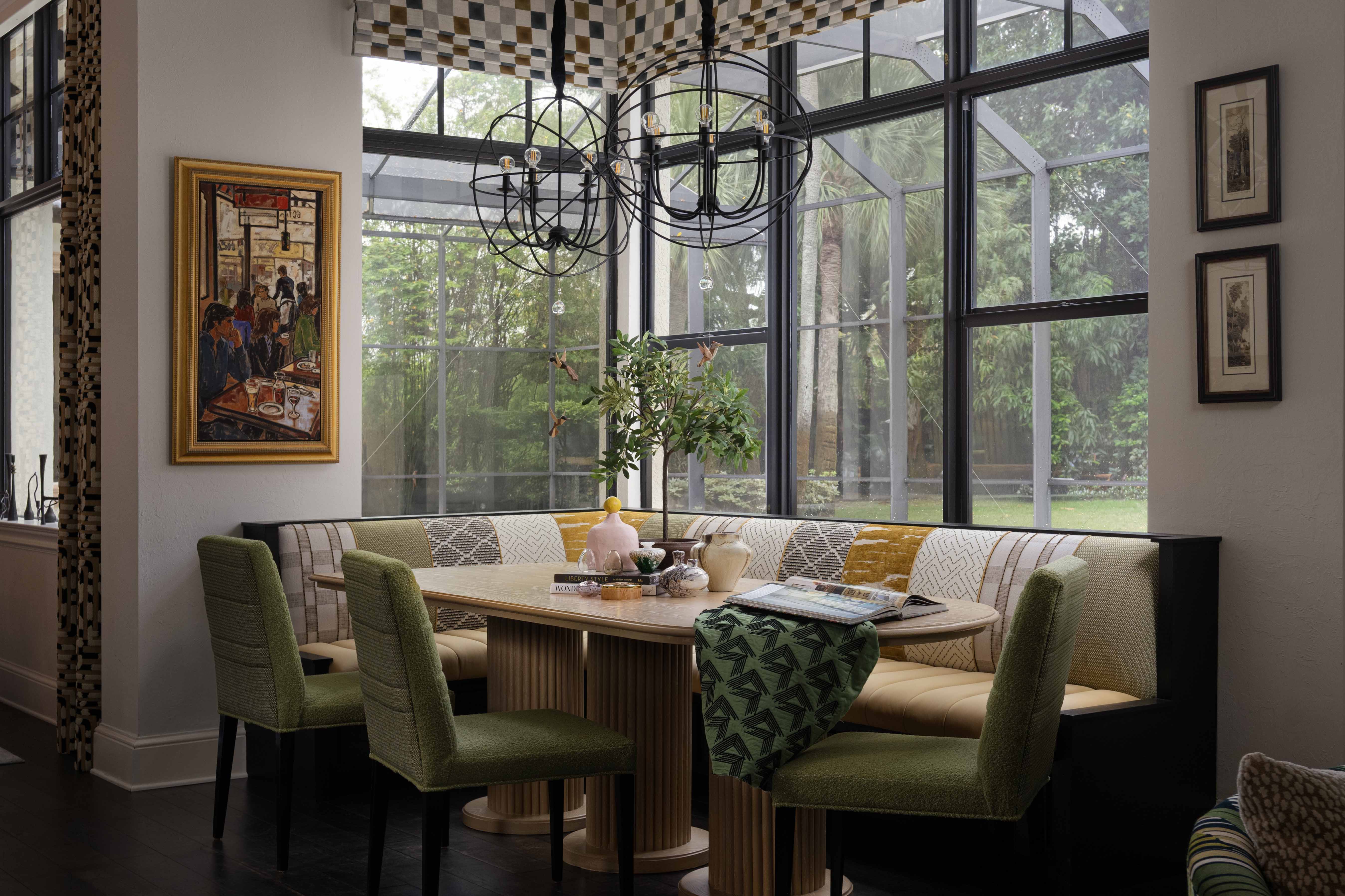
The Narrative Approach: Storyboarding Interior Design
My design process mirrors my entertainment background. Just as films use storyboards to explore shot sequences, I storyboard interior design concepts for each room. This visual approach allows me to identify the elements that will define each space—the colors, textiles, tiles, surfaces, and wallpapers that will work together. By stepping back and viewing the complete composition, the story either unfolds cohesively or reveals what needs editing. Like all creative work, success lies in the editing process. The ability to assess each element critically—Does it work? Does it contribute to the whole? Is it trying too hard?—separates good design from great design. Modern American Maximalism isn't about filling every surface or using every pattern. It's about intentional layering, thoughtful curation, and cohesive storytelling through interior design.
Why Modern American Maximalism Resonates Now
In an era of minimalist fatigue, homeowners are rediscovering the joy of personal, expressive interiors. Modern American Maximalism offers an alternative to both sterile minimalism and overwrought traditional design. This approach creates homes that feel collected over time, spaces that reflect real lives and genuine interests, interiors that balance sophistication with comfort. It's American interior design that honors our eclectic cultural heritage while embracing contemporary living. For homeowners tired of interiors that could belong to anyone, Modern American Maximalism offers something different: luxury interior design that's personal, timeless, and unmistakably yours.
-Alex
Explore some of our projects that bring Modern American Maximalism to life.
Are you ready to embrace bolder, more personal interior design? Let's discuss how Modern American Maximalism can transform your home into a space that tells your story.
Key Takeaways: Modern American Maximalism
What It Is: A design philosophy that celebrates bold pattern, rich color, varied texture, and intentional curation—drawing inspiration from Victorian-era interiors while maintaining contemporary relevance.
The Origin: Designer Alex Alonso developed this approach by combining childhood influences from television set design with professional experience in Hollywood storytelling, ultimately creating a distinctly American take on maximalist design.
Three Core Principles:
- Pattern, Color, Texture – Layering multiple patterns with intention rather than playing it safe with solids. Embracing bold hues that create mood and express personality. Adding dimension through varied surfaces on walls, ceilings, floors, and furnishings
- Fearless Curation – Confidently mixing antique and contemporary pieces
- Storytelling – Designing with a narrative thread that connects all spaces
The Approach: Spaces are "storyboarded" like film sequences, allowing designers to see how all elements work together before execution. Success comes through thoughtful editing—ensuring each piece contributes meaningfully to the whole rather than simply filling space.
Why It Matters Now: Modern American Maximalism offers an antidote to minimalist fatigue, creating homes that feel personally curated over time rather than catalog-perfect. It's luxury design that prioritizes individual expression and livability over trends.
Bottom Line: This isn't about excess—it's about intentional layering that tells your unique story through interior design.
Bringing Modern American Maximalism to Life: The Essential Elements
Theory transforms into reality through specific design elements:
- Wallpaper: The fastest way to introduce pattern, color, and personality into a space
- Statement Lighting: Sculptural fixtures that serve as functional art
- Gallery Walls: Curated collections that tell personal stories
- Layered Patterns: Multiple patterns working in harmony across textiles, surfaces, and accessories
- Comprehensive Surface Treatment: Every surface—walls, ceilings, floors—receives intentional design attention
- Window Treatments: Layered, textured approaches to windows that add softness and sophistication
- Eclectic Accessories & Decor: Carefully curated objects that span eras, styles, and origins