
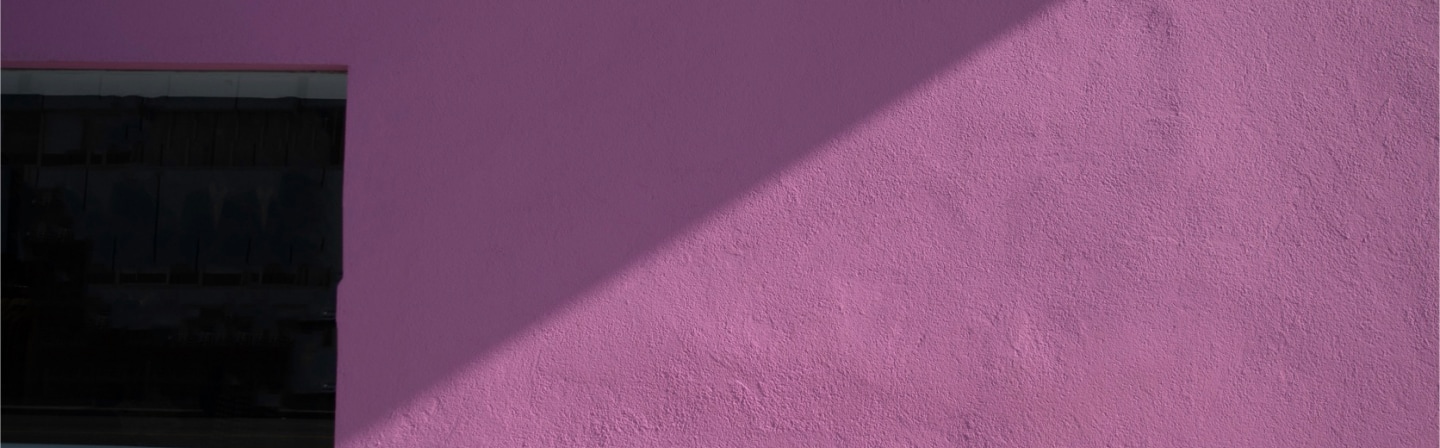
A mastery of color, pattern & texture
beyond science and textbook rationale, color, pattern and texture's role in interior design is critical. they impact how we react to spaces, what is highlighted, what is muted.

so many colors, so many choices...
Leaning into a colorful experience.
Color is not merely a tool in my practice—it is the foundation upon which everything else is built. My relationship with color is driven by an insatiable curiosity: sometimes I seek harmony, orchestrating hues that sing in concert; other times, I wield color as provocation, a bold stroke that disrupts and distinguishes.
I have never feared color. I never will.
In an era of endless possibility, color becomes our most essential ground—the bedrock from which we construct meaning and atmosphere. My instinct gravitates toward depth, toward spaces that breathe with chromatic richness. Monochromatic environments hold little appeal for me; they feel like withheld breath, like stories told in whispers.
When I do venture into monochrome—and I have—it is always a deliberate act of restraint, a strategic withdrawal that elevates what remains. In these rare moments, pattern and texture ascend to prominence, claiming the visual hierarchy that color typically commands. But make no mistake: even in its absence, color's ghost lingers, defining the space by what it is not.
Color, for me, is not decoration. It is declaration.
visit some of our more colorful projects.

why we love pattern?
Layering pattern in the maximalist experience
Layering pattern is an act of audacity—a lean-forward gesture that demands both patience and nerve. I possess both, perhaps stubbornly so.
Each room becomes a puzzle with no predetermined solution, only an intuitive path forward that the client and I must discover together. Sometimes patterns fall into rhythm effortlessly, their scales and motifs finding natural kinship. Other times, the composition resists, requiring another layer, another consideration, another moment of quiet scrutiny before the room reveals what it wants to become.
I cherish this process—the slow accumulation, the thoughtful building. While pattern-on-pattern is often attributed to Victorian sensibilities (an era I deeply admire), I believe it transcends any single historical moment. Layering is timeless because it mirrors how we actually experience space: not as flat planes, but as dimensional fields where foreground and background converse, where visual complexity creates psychological depth.
Pattern layering gives a room what I call narrative density—the sense that there are stories within stories, details that reward closer looking, surfaces that refuse to be understood in a single glance. This is not chaos for chaos's sake. It is complexity with purpose, richness with intention.
The room, in the end, should feel inhabited before anyone has even lived in it.
Explore our pattern-play at work!

Go ahead, touch it...
How texture elevates a space.
Texture is the silent hero—the element that completes the triumvirate alongside color and pattern, yet somehow remains underestimated, overlooked. This neglect mystifies me. Texture can whisper or shout. It can seduce with smoothness or challenge with rawness. But what matters most is not merely its presence, but its placement.
Location is everything.
I have been known to paper-back fabric and install it as wallpaper—a subtle subversion that doesn't announce itself immediately but rewards those who look twice, who run their hand along the wall and discover something unexpected. Similarly, a textural wallpaper on the ceiling disrupts our assumptions about where surfaces should recede. We expect ceilings to disappear into blankness; instead, I give them dimension, presence, an instant "oh."
Whether texture appears in pillows, wallpaper, an area rug, or window treatments, it is always deliberate. I deploy it like punctuation in a sentence—not arbitrarily scattered, but precisely positioned to create rhythm, emphasis, surprise.
Texture is where the eye rests and the hand wants to wander. It transforms the visual into the visceral, reminding us that rooms are not just seen but felt. And in that feeling lies the difference between a space that is merely decorated and one that is truly alive.
Explore some of most texture-centric projects

hello!
we look forward to chatting with you about your project.
drop us a note and we'll contact you shortly.